Modular construction, in plain terms
A modular building is made in sections, called modules, in a factory. The modules are then transported to site, craned into position and joined. Once connected, the building is finished to the same design as if it had been built in place.
The point is control. Instead of leaving materials out in British weather and coordinating a long line of trades on an open site, most of the work happens indoors, in sequence, on a production line.
How it differs from a traditional build
The biggest difference is the order of work.
On a traditional site, each stage waits for the one before it. You dig, pour foundations, build the frame, wait for the roof, then start first fix. Weather, late materials and labour shortages can stall each step, and every delay pushes back the next.
With modular, the work runs in parallel. Groundworks are prepared on site while the building itself is made in the factory. When the site is ready, the near-finished structure is delivered, craned into position and connected. Months of on-site disruption become days or weeks.
The three main types
Off-site construction is usually grouped into three approaches:
- Volumetric (3D). Whole rooms or sections are built as enclosed boxes, often with electrics, plumbing and finishes already fitted. This is the approach BLOXX uses.
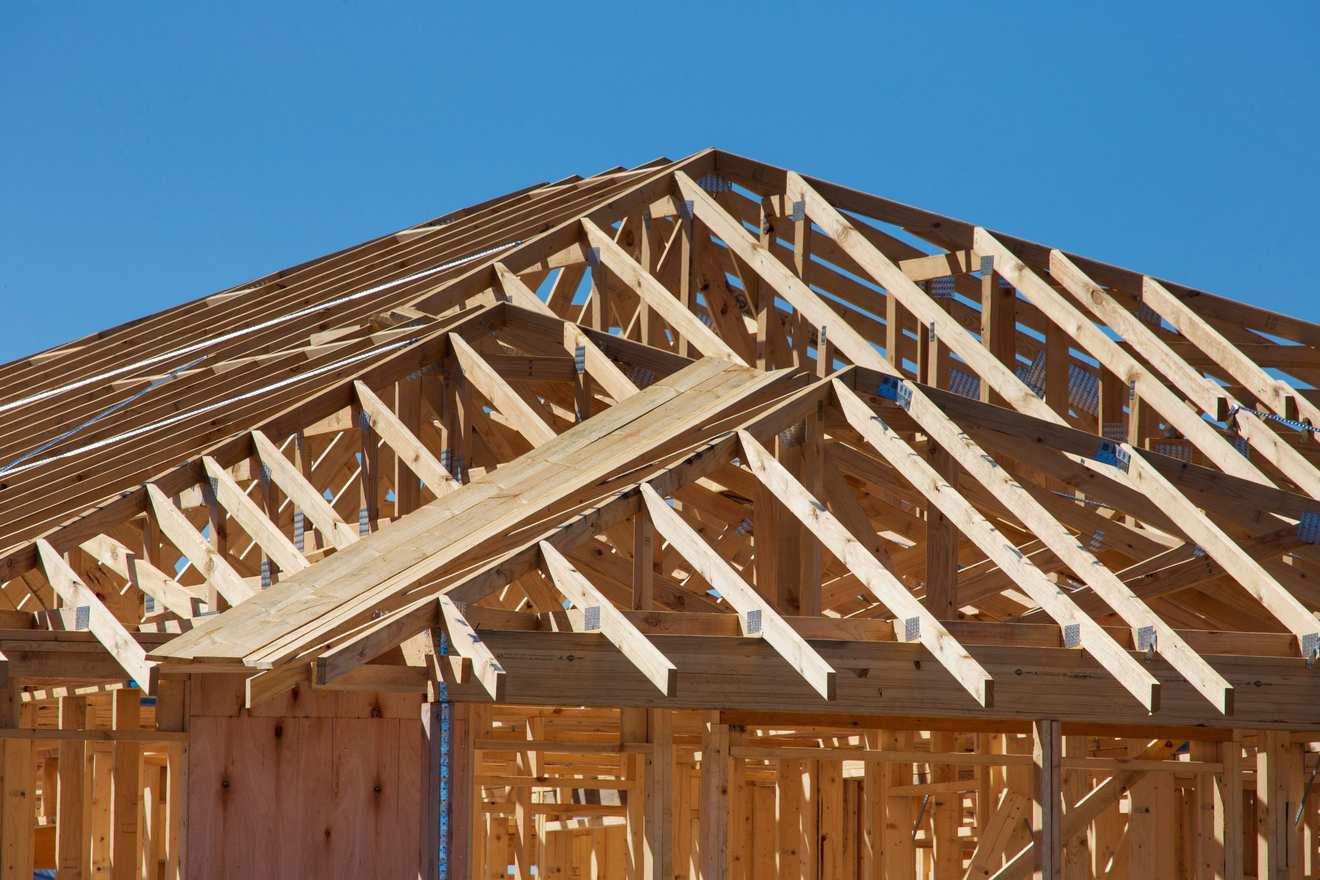
- Panelised (2D). Walls, floors and roof panels are made off-site and assembled on site. More site work than volumetric, less than traditional.
- Hybrid. A mix of both, often with volumetric pods for bathrooms or kitchens and panels or conventional framing for the rest.
Waste and energy
A factory can plan cutting lists, reuse off-cuts and store materials under cover, which tends to mean less waste than an open site. Insulation and seals are fitted in controlled conditions, which helps the finished building perform as designed.
There is also less traffic. A handful of planned deliveries replaces weeks of daily trips by individual trades. How much each of these saves depends on the project, so ask for figures on yours rather than relying on industry averages.
Why BLOXX builds off-site
The construction industry faces a shortage of skilled site labour, pressure to cut carbon and steady demand for better buildings delivered faster. Building off-site addresses all three at once.
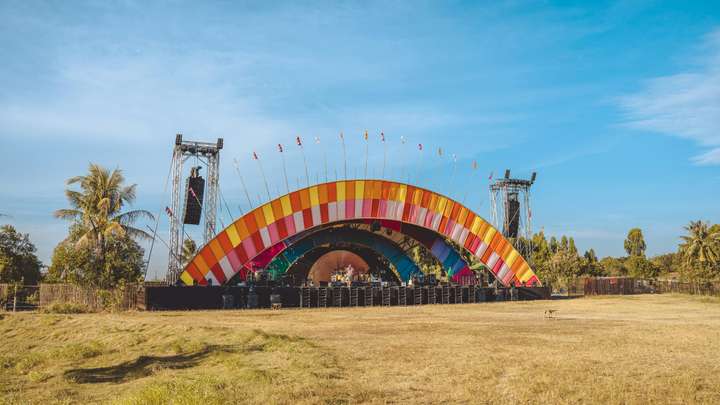
That is why BLOXX exists. Every structure is designed for the client and the site, built in the BLOXX facility, and delivered with minimal disruption. The same method serves four divisions: home extensions, event pavilions, modular pools and private underground builds.
Key takeaways
- Modular buildings are made in sections off-site, then delivered and joined on site.
- Factory build and groundworks run at the same time, so time on site shrinks to days or weeks.
- Volumetric modules arrive as finished rooms. Panelised systems arrive flat. Hybrid uses both.
- Less exposure to weather and fewer trades on site make the result more predictable.
Thinking about a modular build?
Tell us what you want to create. We will tell you which BLOXX division fits and what we need to know first.